Launching EuroCDP and Shaping Europe’s Chip Future
On 4 and 5 November 2026, the Industrial Alliance for Semiconductors, in collaboration with the European Commission, convened for “The Technology Sovereignty Package in Practice” at Le Plaza Hotel in Brussels. The event took place five months after the Technology Sovereignty Package was originally presented with the objective of bringing together industry, research and policy makers around one question: what does Europe’s semiconductor future need now? The event was organised with the support of ALLPROS.eu 2029, Secretariat to the Industrial Alliance for Semiconductors.
Day 1: setting the policy scene and launching EuroCDP
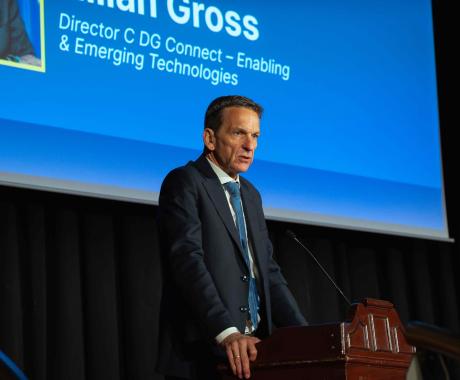
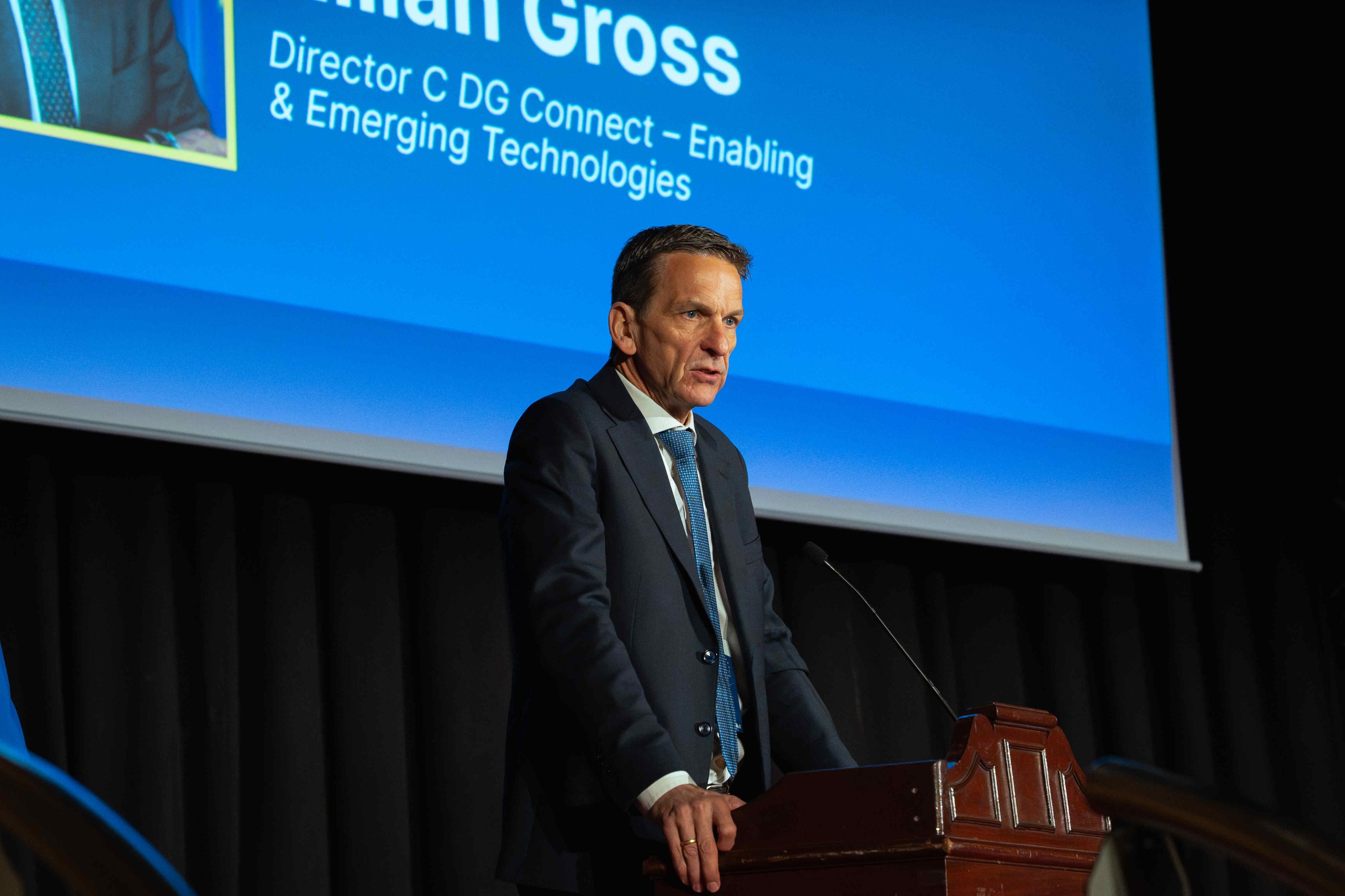
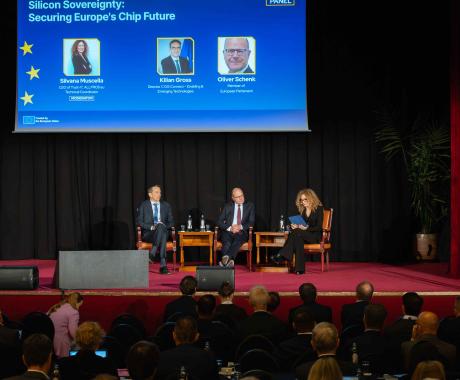
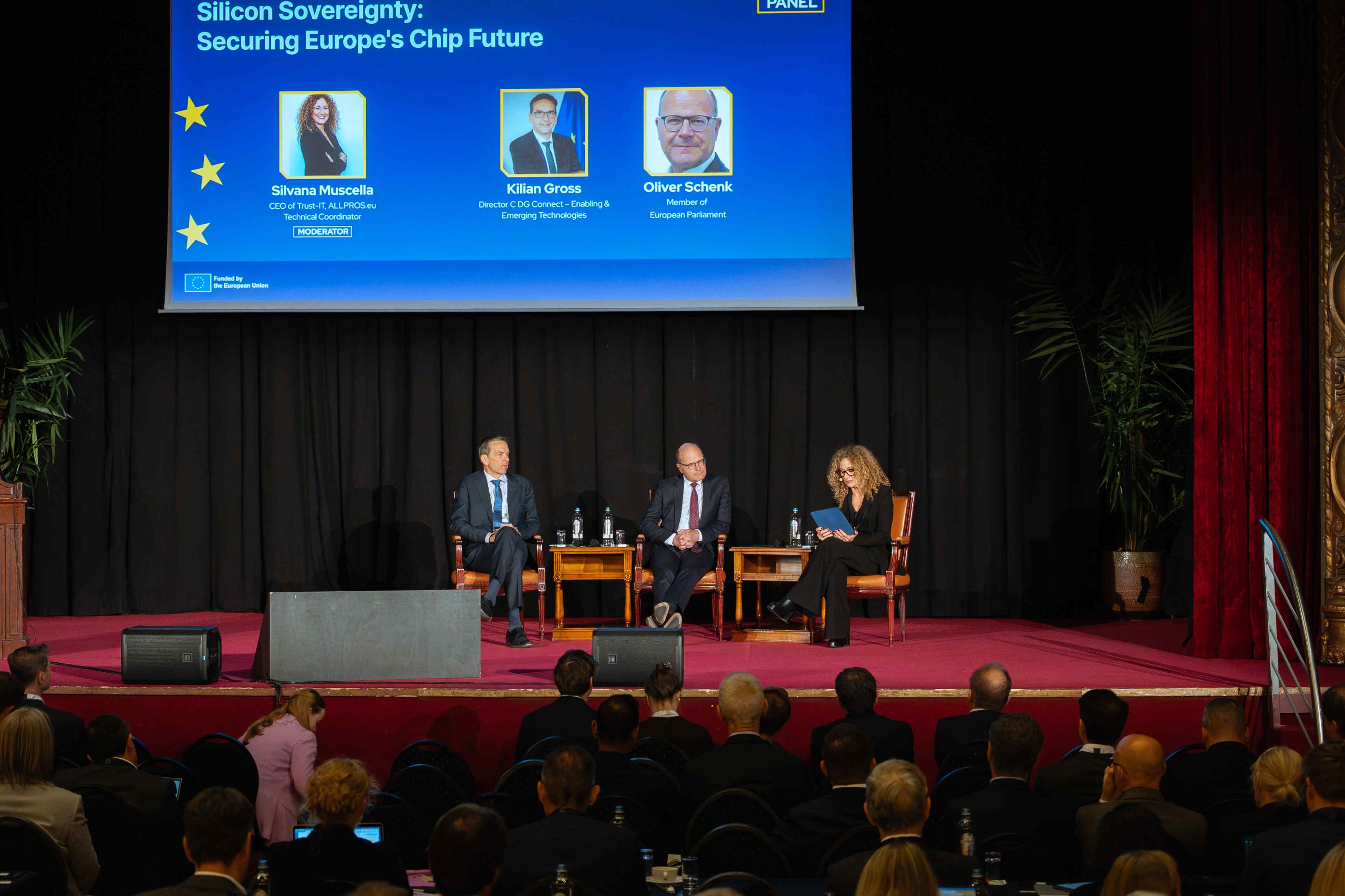
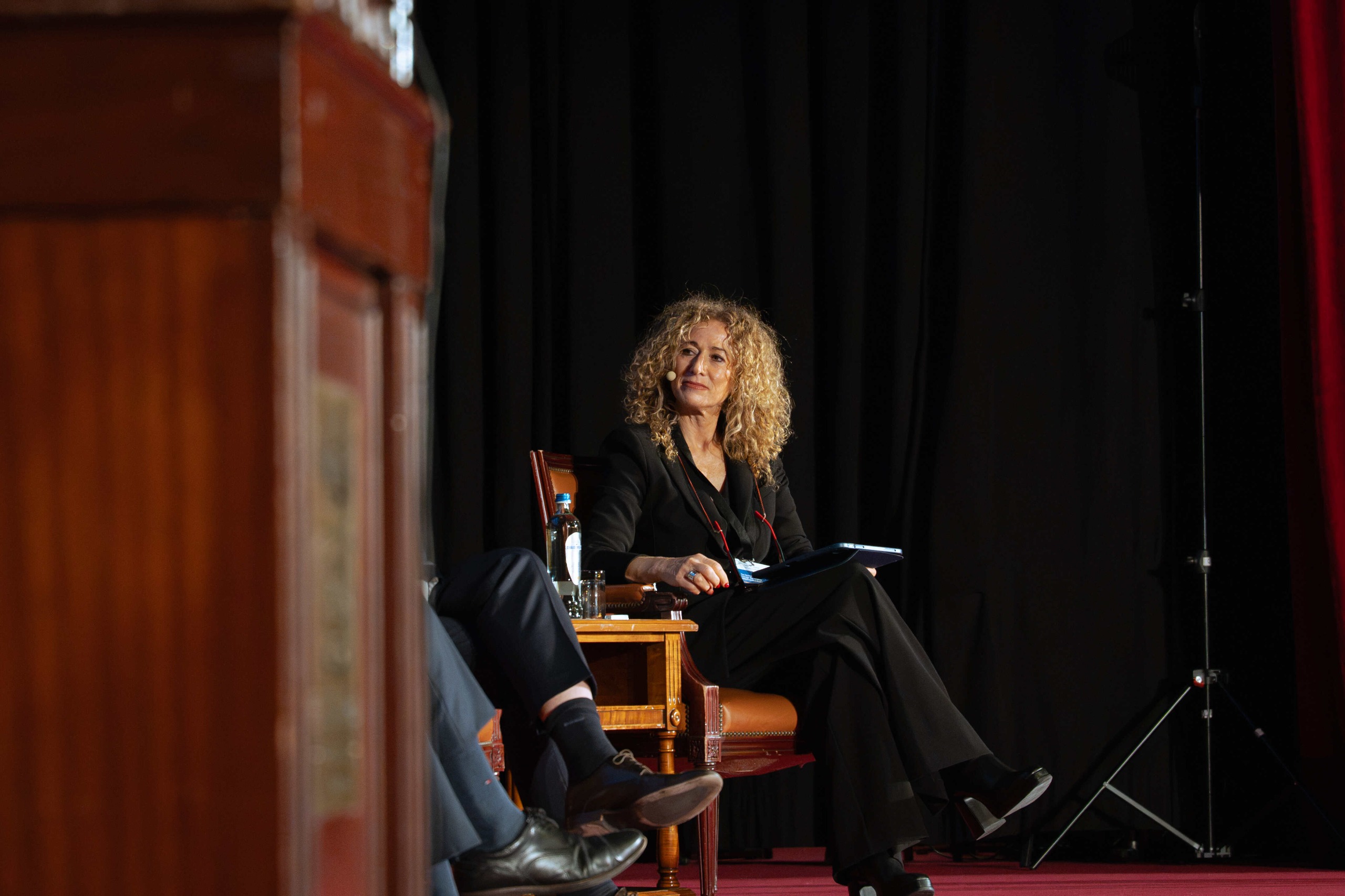
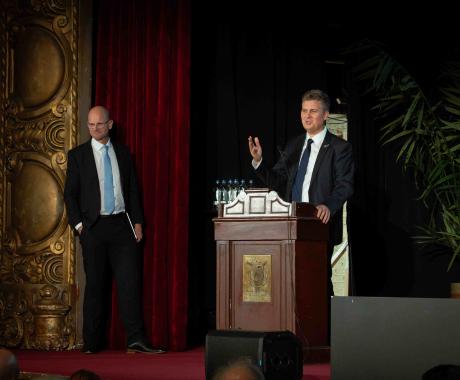
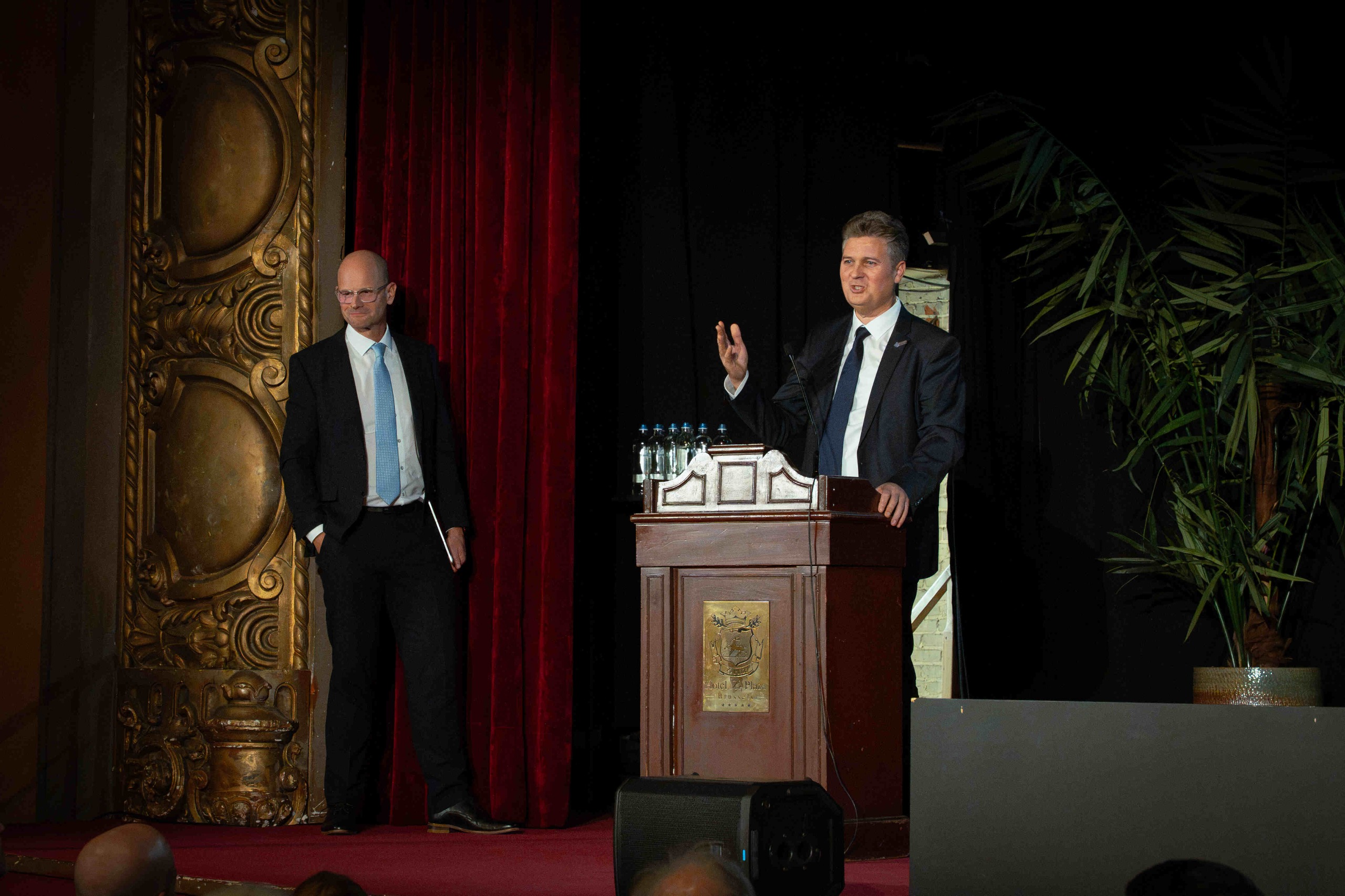
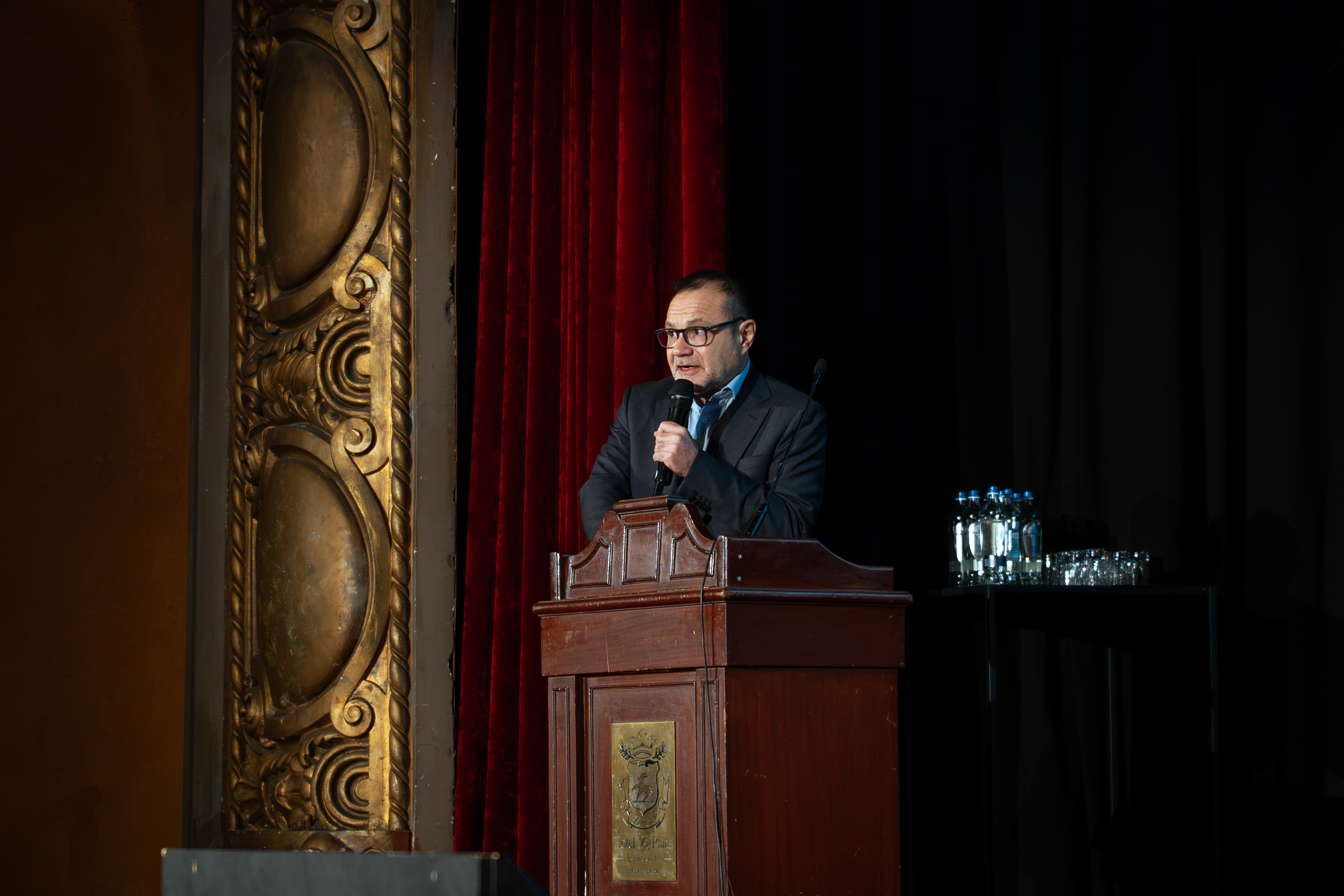
The programme opened with a welcome from Kilian Gross, Director for Enabling and Emerging Technologies (Directorate C) at the European Commission’s DG CONNECT, who introduced the objectives of the two days. He then joined Oliver Schenk, Member of the European Parliament, in the panel “Silicon Sovereignty: Securing Europe’s Chip Future”, moderated by Silvana Muscella (Trust-IT, ALLPROS.eu Technical Coordinator), which looked at the future of the EU semiconductor ecosystem.
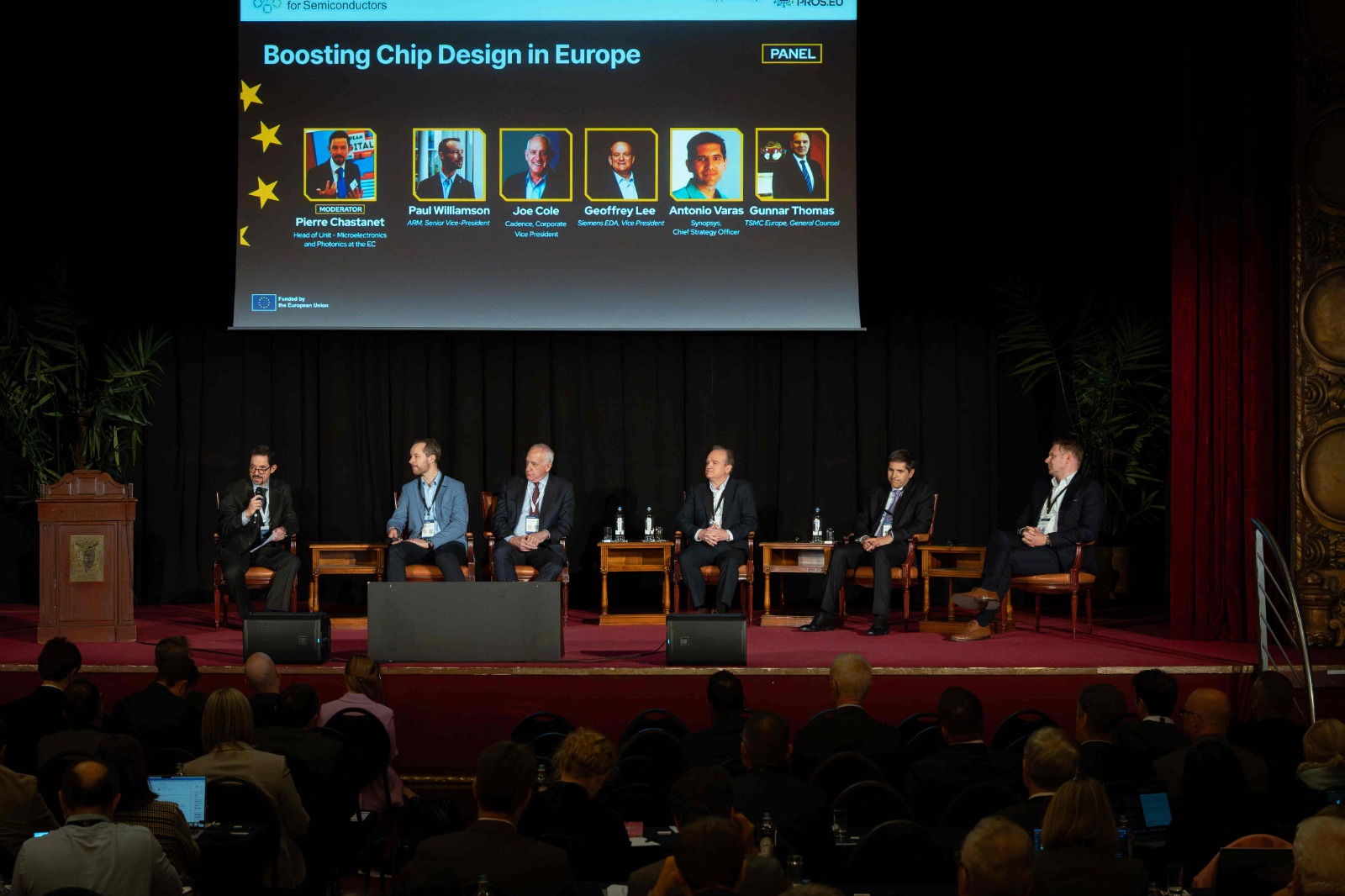
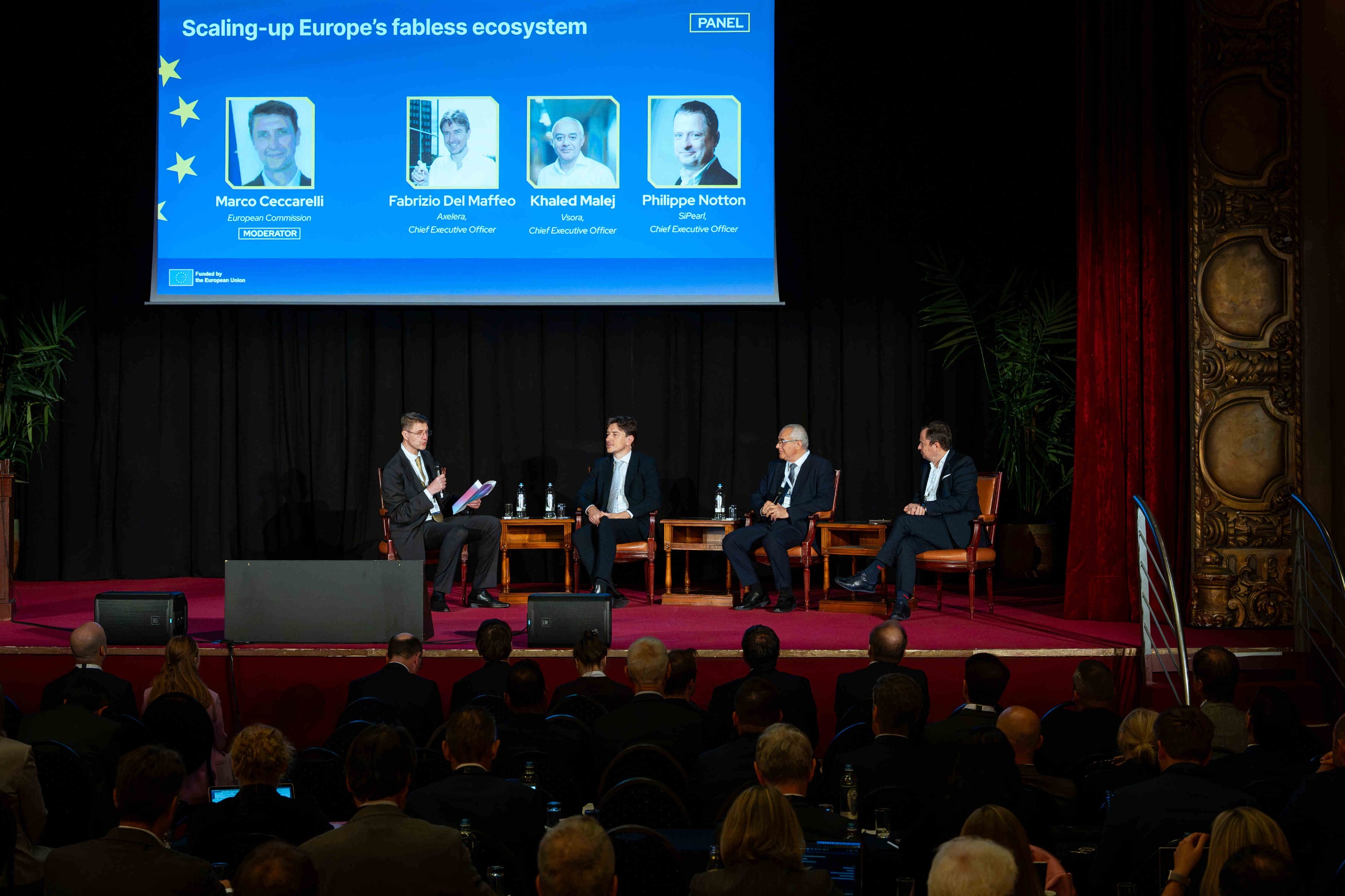
Two panels followed on the building blocks of sovereignty. The first, on scaling up Europe’s fabless ecosystem, was moderated by Marco Ceccarelli (European Commission), who opened it with the words “Without design, there is no technology sovereignty.”, an enticing statement that stimulated a lively discussion between the panellists Fabrizio Del Maffeo (Axelera AI), Philippe Notton (SiPearl) and Khaled Malej (Vsora) who discussed the obstacles young chip companies face today. The second panel, “Boosting Chip Design in Europe”, moderated by Pierre Chastanet (European Commission), brought together Synopsys, Cadence, Arm, Siemens EDA and TSMC Europe to talk about how to move forward and collaborate with newly launched EuroCDP.
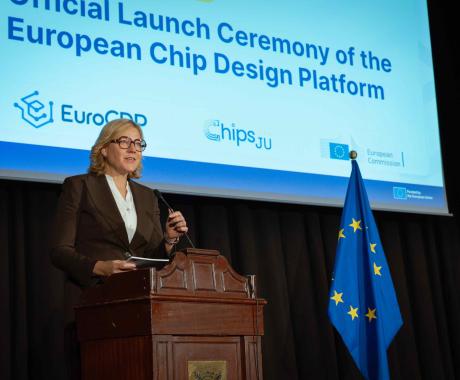
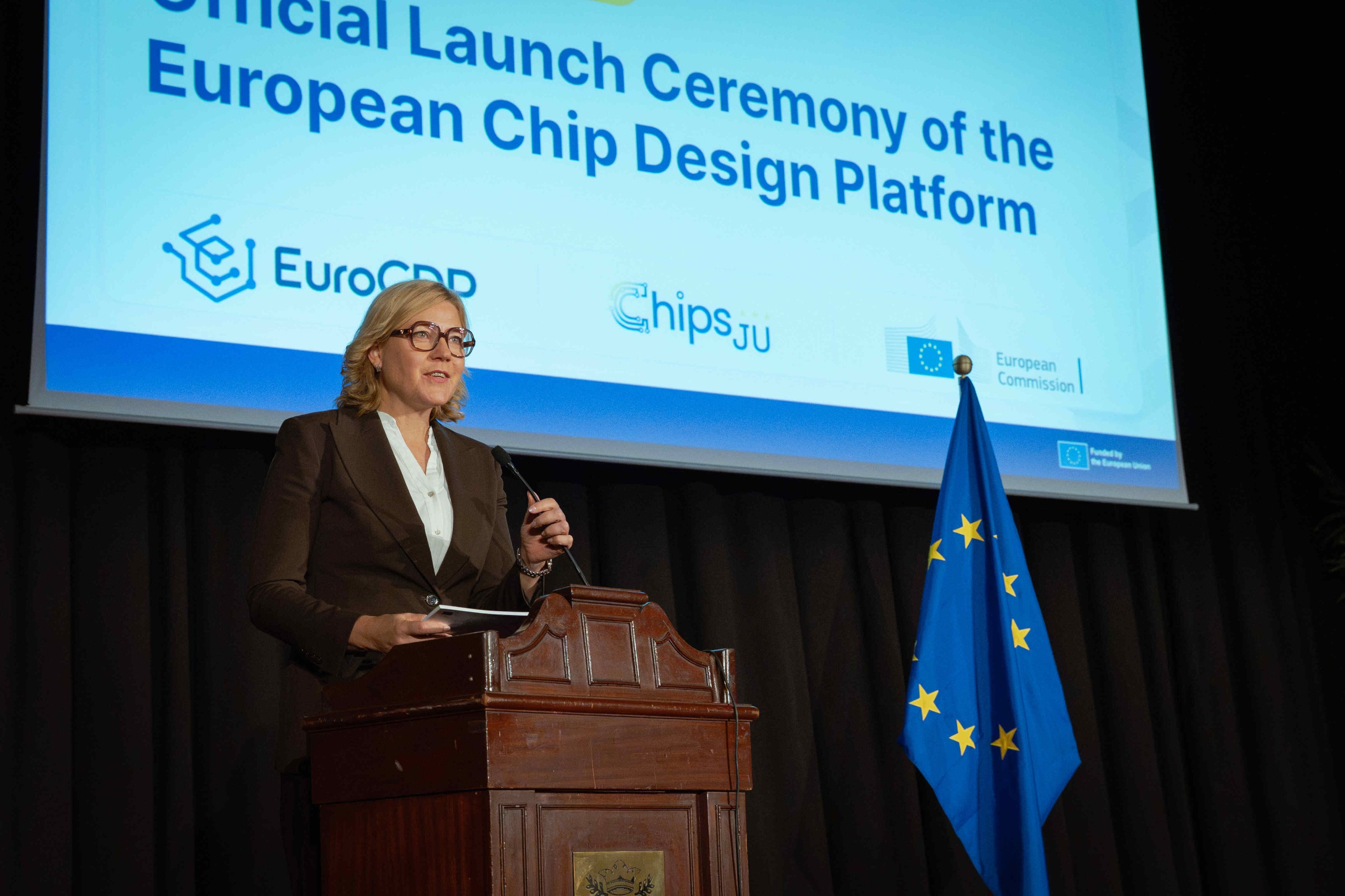
The highlight of the day was the official launch of the EuroCDP, the EU Chips Design Platform, in the presence of Executive Vice-President Henna Virkkunen, together with Jari Kinaret (Executive Director, Chips JU), Patrick Vandenameele (CEO, imec) and Romano Hoofman (imec, EuroCDP Coordinator). EuroCDP is the first single European platform to bring together design tools, technologies, expertise and funding for deep-tech startups and SMEs, supporting the full journey from specification to design, verification, manufacturing and scale-up, including RF, mixed-signal, ultra-low-power, quantum and photonics.
It responds to a clear challenge. Europe accounts for roughly a quarter of the world’s semiconductor startups, yet they attract only about a quarter of the funding of their US and Chinese peers. Backed by approximately €500 million from the EU and Member States, EuroCDP offers grants of up to €16 million per company, discounted EDA and IP licences, design-enablement teams, training, coaching and access to Chips Act pilot lines. The grant call is open until 12 January at eurocdp.eu. The ceremony included the symbolic signing of the partnership agreement between EuroCDP and its suppliers, the announcement of the new partnership with the Design Enablement Teams, and awards for the first ten startups gaining access to the EuroCDP Accelerator.
In parallel, the Working Groups on PFAS, Supply Chain, Automotive and Skills met in dedicated sessions, and the Alliance Steering Committee held a closed meeting.
Day 2: talent, AI and demand
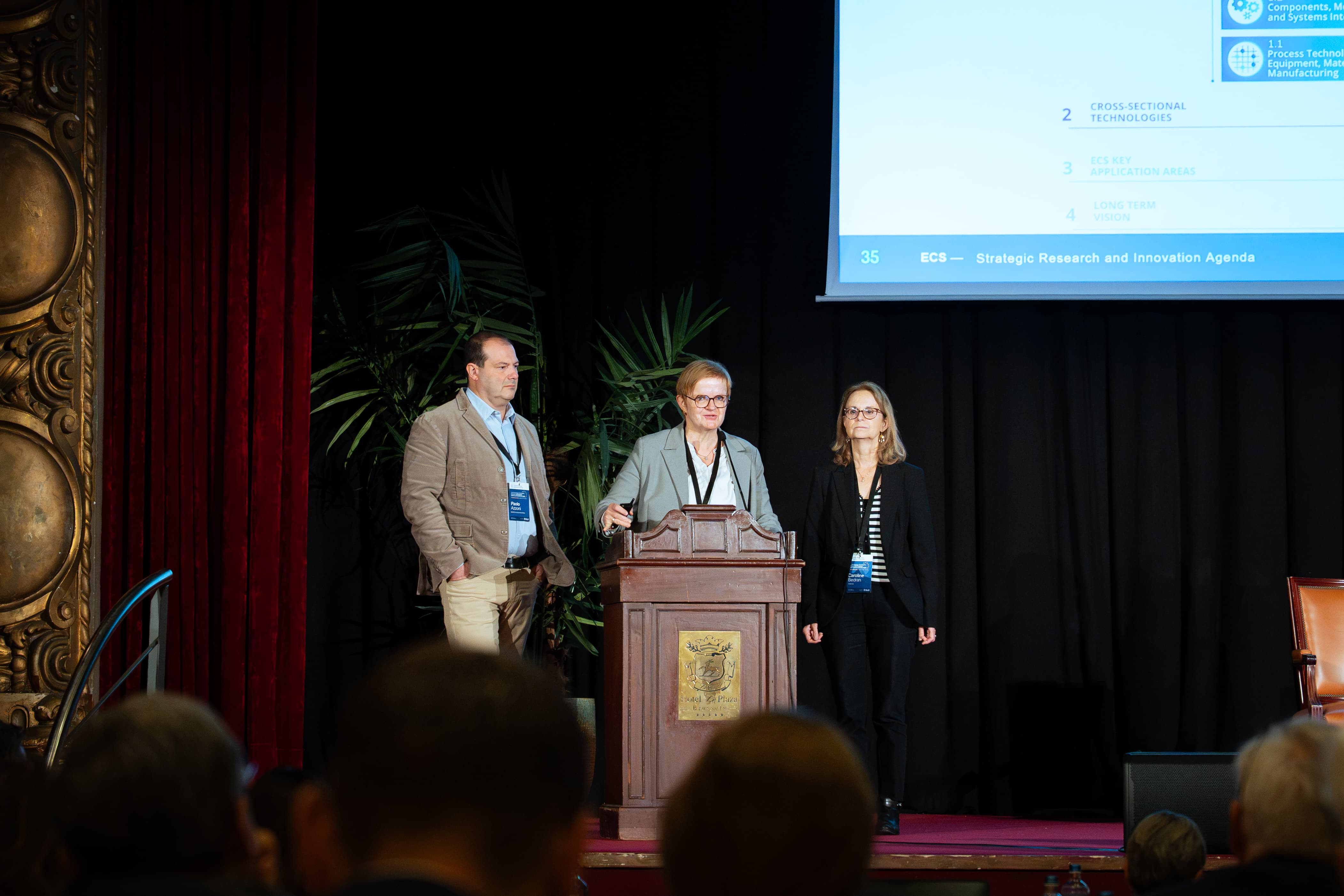
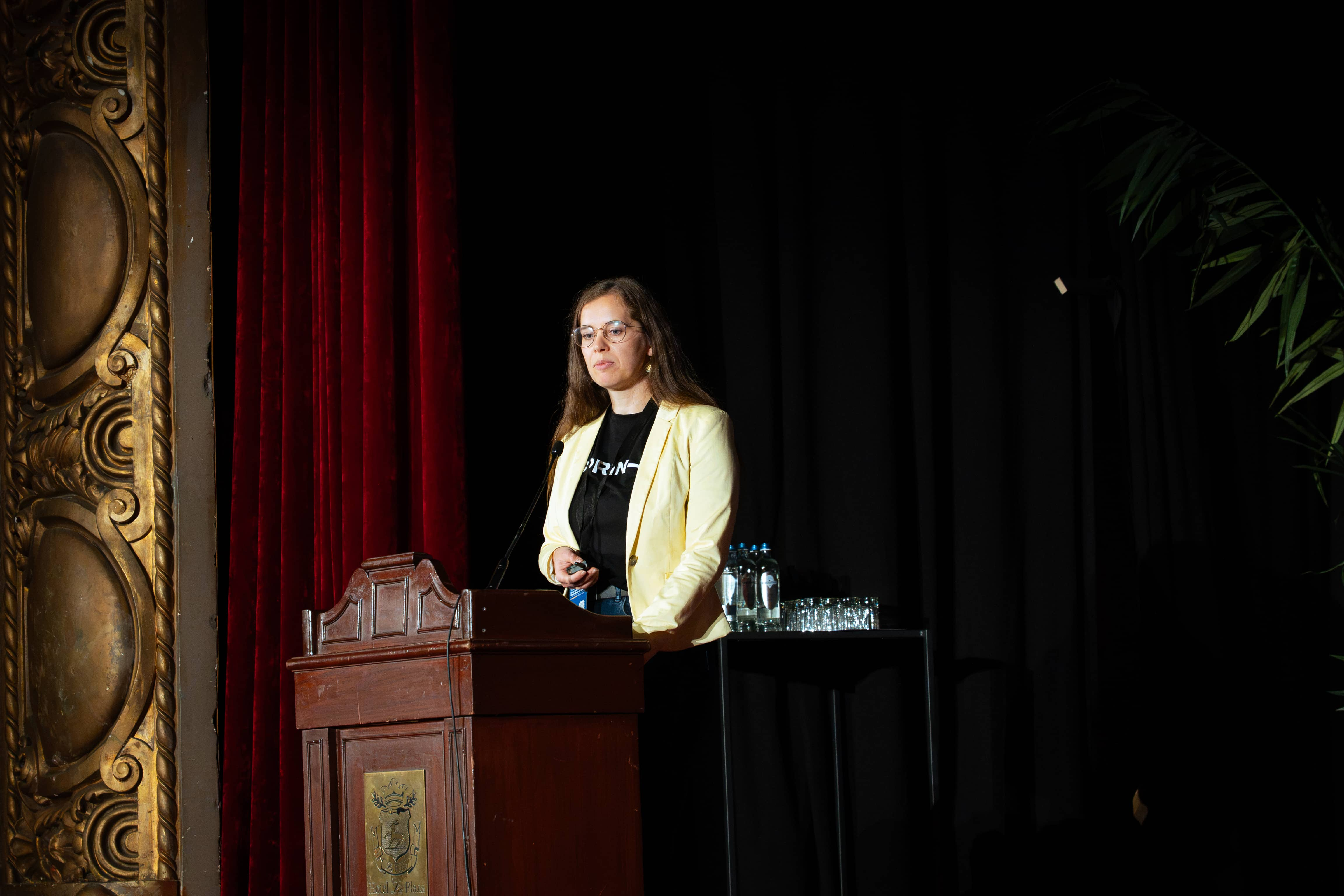
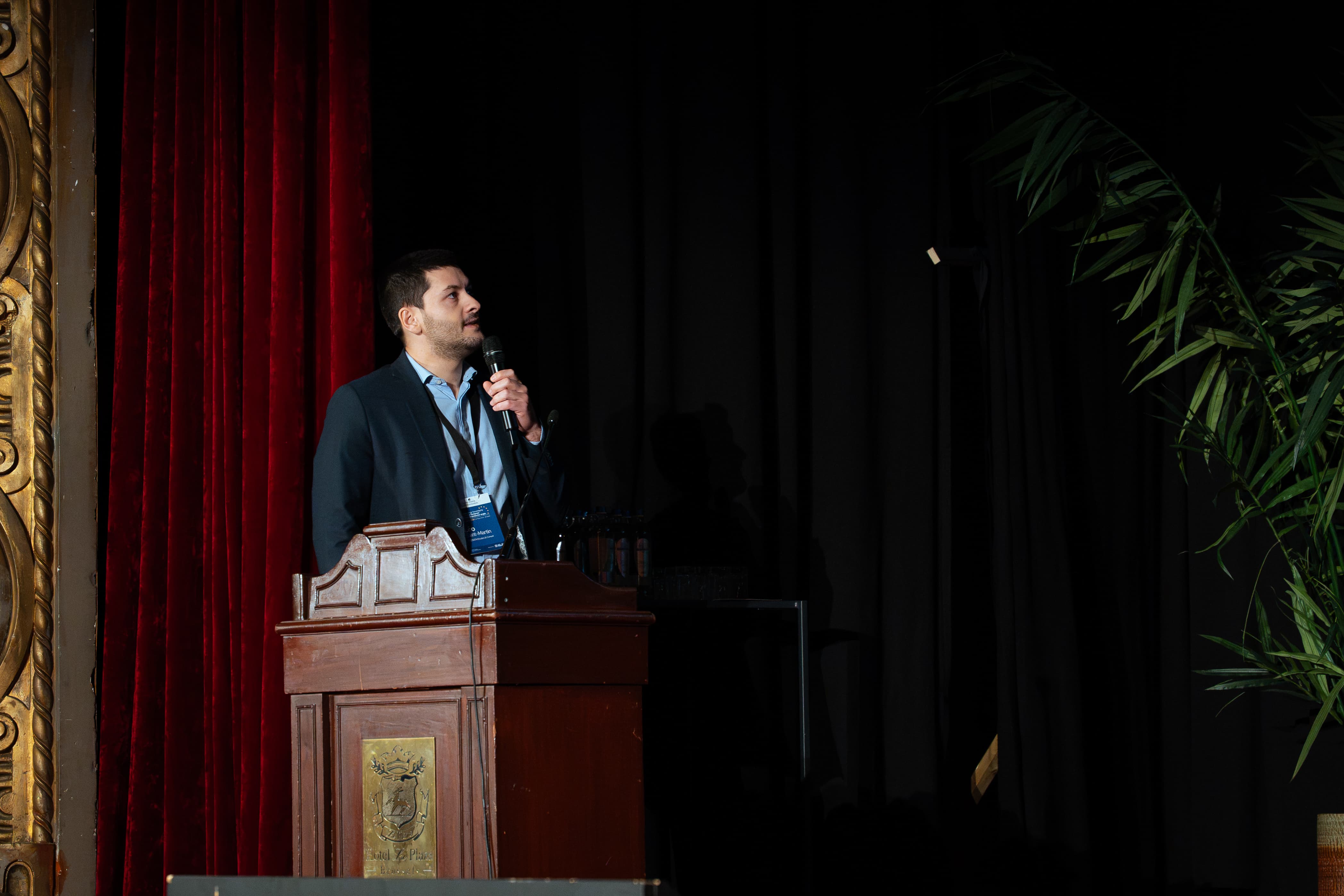
The second day turned to what Europe’s chip industry needs next, starting with the people who will make it happen. Katharina Rudisch (SPRIND) presented the AI-native Chip Design Challenge, now open for applications, and Léo Saint-Martin (DECISION) outlined a forward-looking analysis of the talent landscape to 2030. With many experienced engineers close to retirement and too few graduates entering the field, he noted, the talent gap will not close by itself, as stated in the recent ECSA report. The leadership panel, moderated by Michael Boll (Infineon), included Jimena Garcia Romeu (AESEMI, Alcyon Photonics), Bodil Holst (Lace Lithography), Françoise Chombar (Melexis) and Erja Turunen (VTT), and called for fewer silos, faster cooperation and closer attention to what the market actually needs. Caroline Bedran (AENEAS), Elisabeth Steimetz (EPoSS) and Paolo Azzoni (INSIDE Industry Association) then invited participants to have their say on the Electronics Components and Systems Strategic Research and Innovation Agenda (ECS-SRIA).
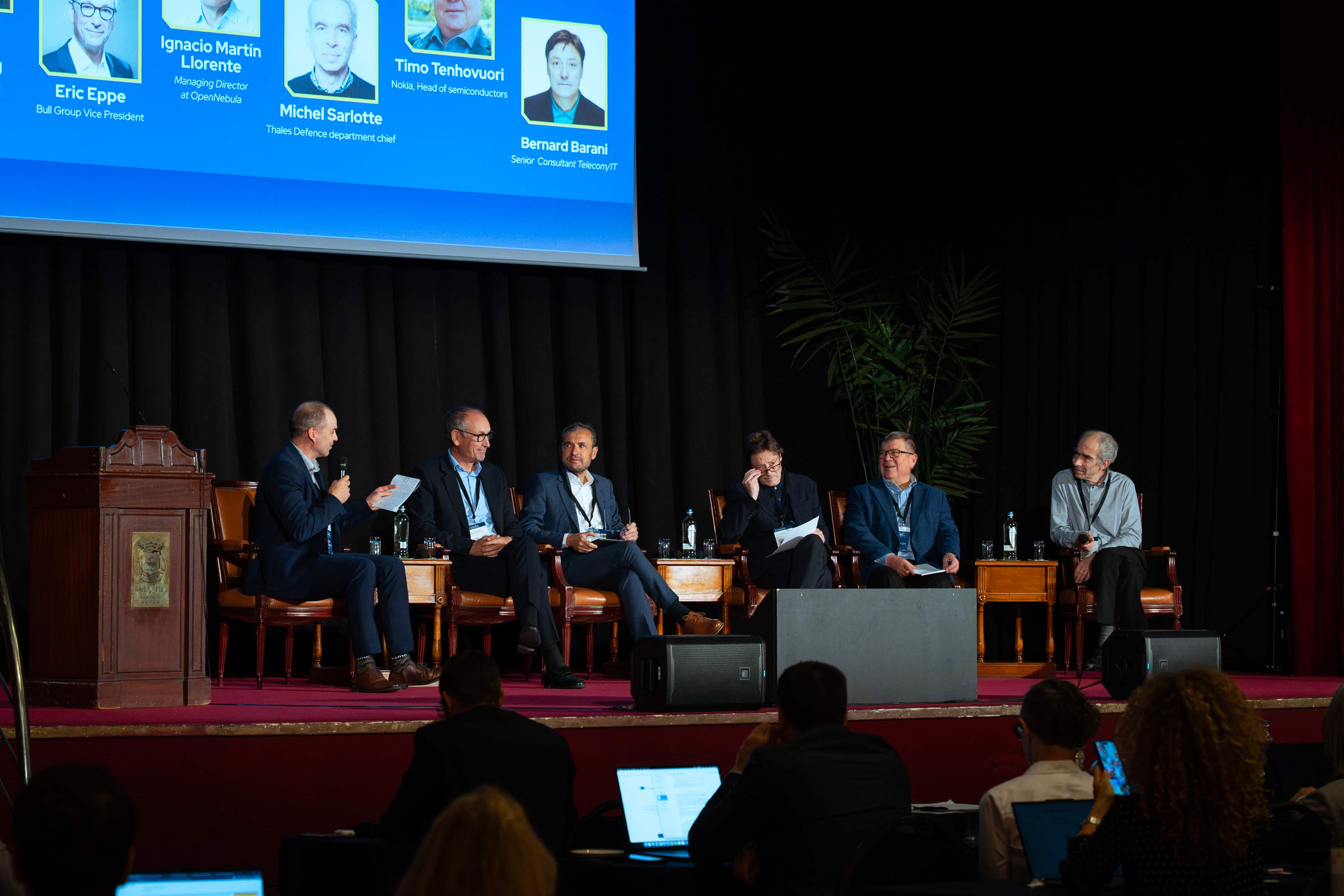
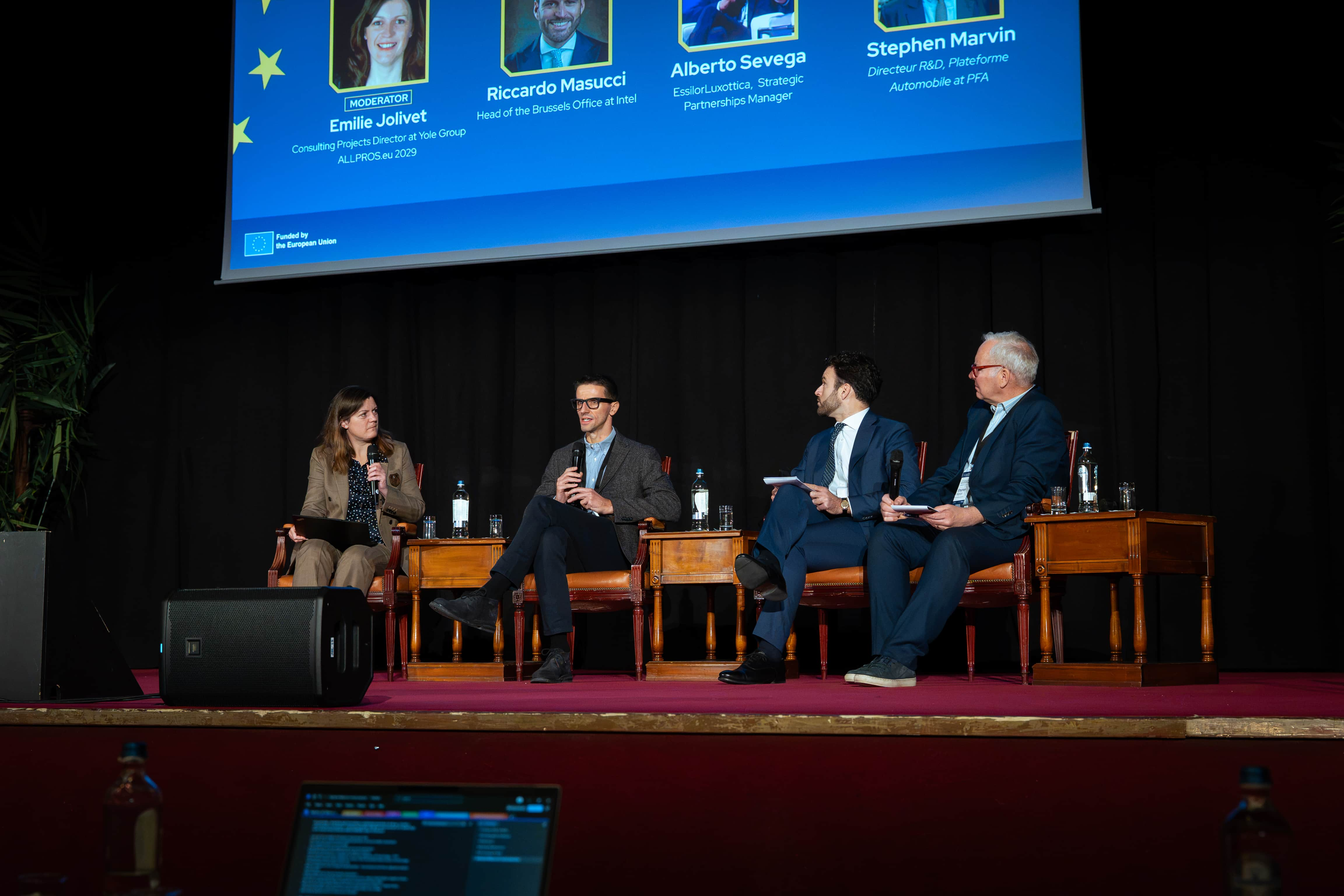
The focus then shifted to where AI is heading. Emilie Jolivet (Yole Group) explained why AI is leaving the data centre for robots, vehicles and other devices. In the “Towards physical AI” panel, moderated by Emilie Jolivet (Yole Group), Alberto Sevega (EssilorLuxottica), Stephen Marvin (PFA, Plateforme automobile) and Riccardo Masucci (Intel) argued that Europe should work as one system, with automotive as a natural lead market. IDC’s analysis showed that supply, not demand, is what holds Europe back, making the protection of existing strengths in equipment, power and analog a priority. A pitching session let European SMEs present directly to prospective customers. In the final panel, moderated by Frank Bösenberg (Silicon Saxony), Michel Sarlotte (Thales), Ignacio Martín Llorente (OpenNebula), Bernard Barani (telecom and IT consultant), Timo Tenhovuori (Nokia) and Eric Eppe (Bull Group) described what they need from chips: hardware and software designed together, reliable access to advanced technologies, and room for European chiplet designs.
The Alliance at work
The co-chairs of the 4 Alliance Working Groups presented the priorities and work being carried out every day by Alliance Members:
- Skills: Fabrice Graignic and Cosimo Musca (STMicro) presented four recommendations, including a Europe-wide semiconductor talent campaign and “No chips without skills”.
- Supply Chain: Carlos Pardo (AESEMI) outlined work across 12 value chain clusters, calling for resilience beyond leading-edge nodes, structured demand mapping, sustained funding and mapping of single-source dependencies.
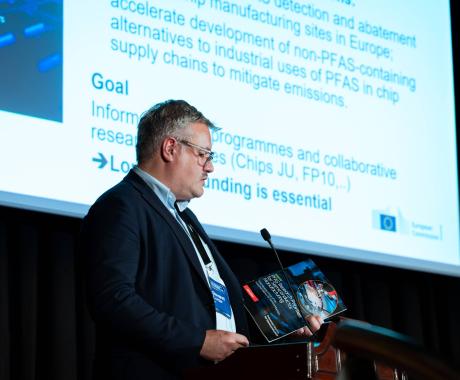
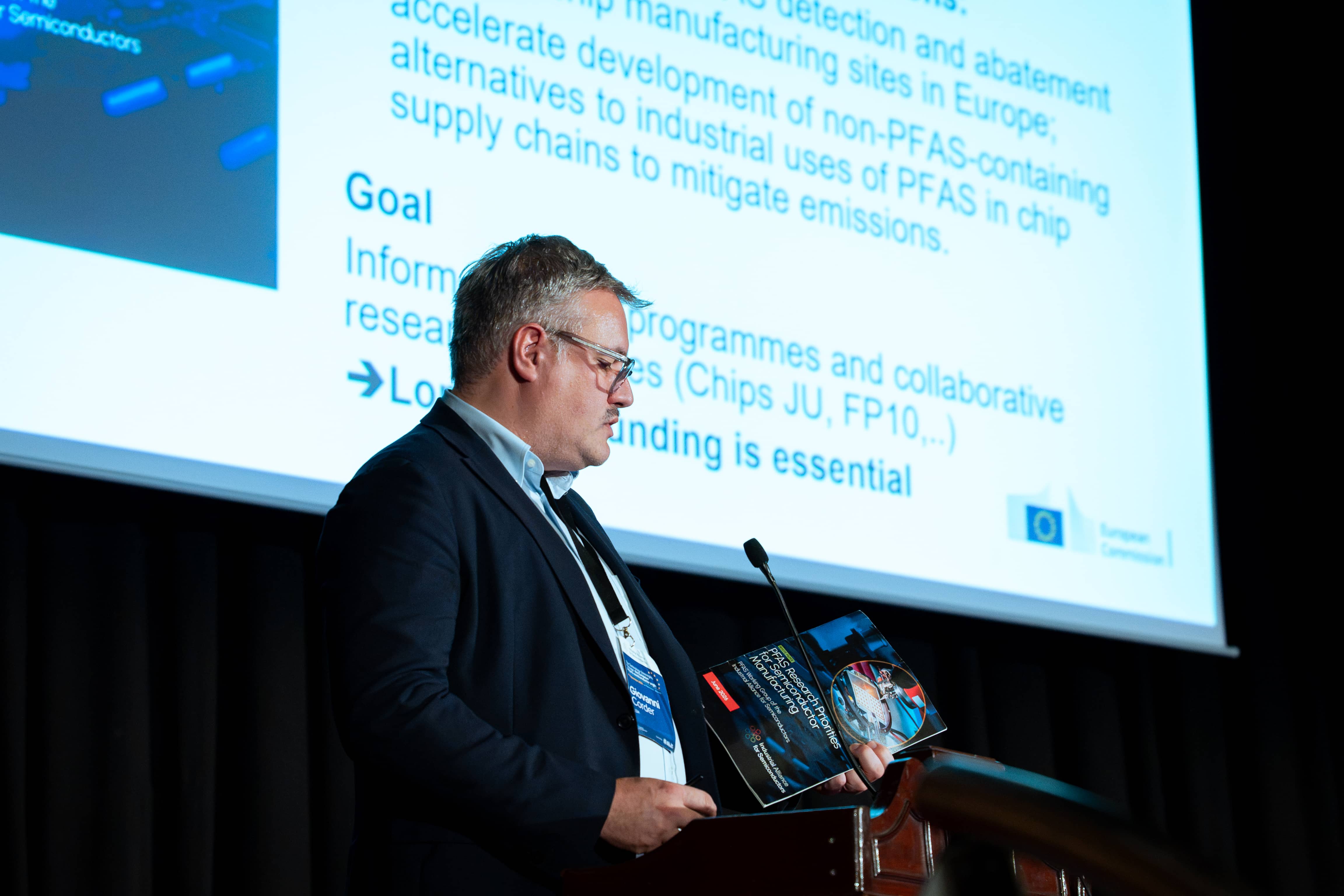
- PFAS: Giovanni Corder (ESIA) and Dimiter Prodanov (Bulgarian Academy of Sciences) presented the June 2026 white paper, which sets out three research missions: measure, manage and replace.
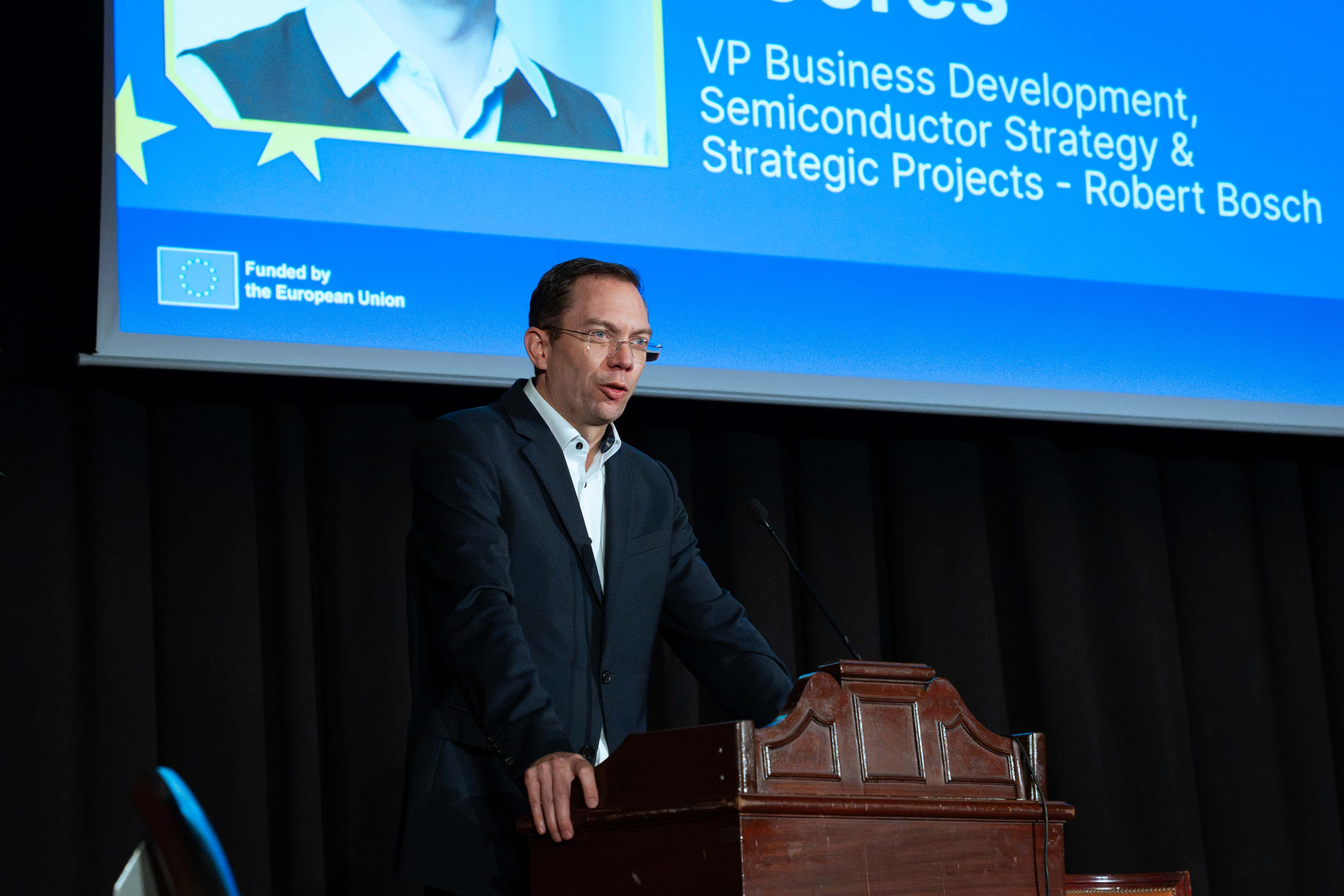
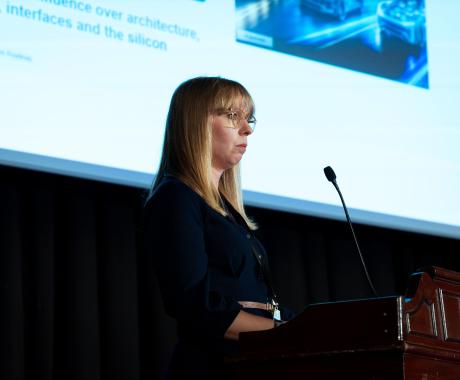
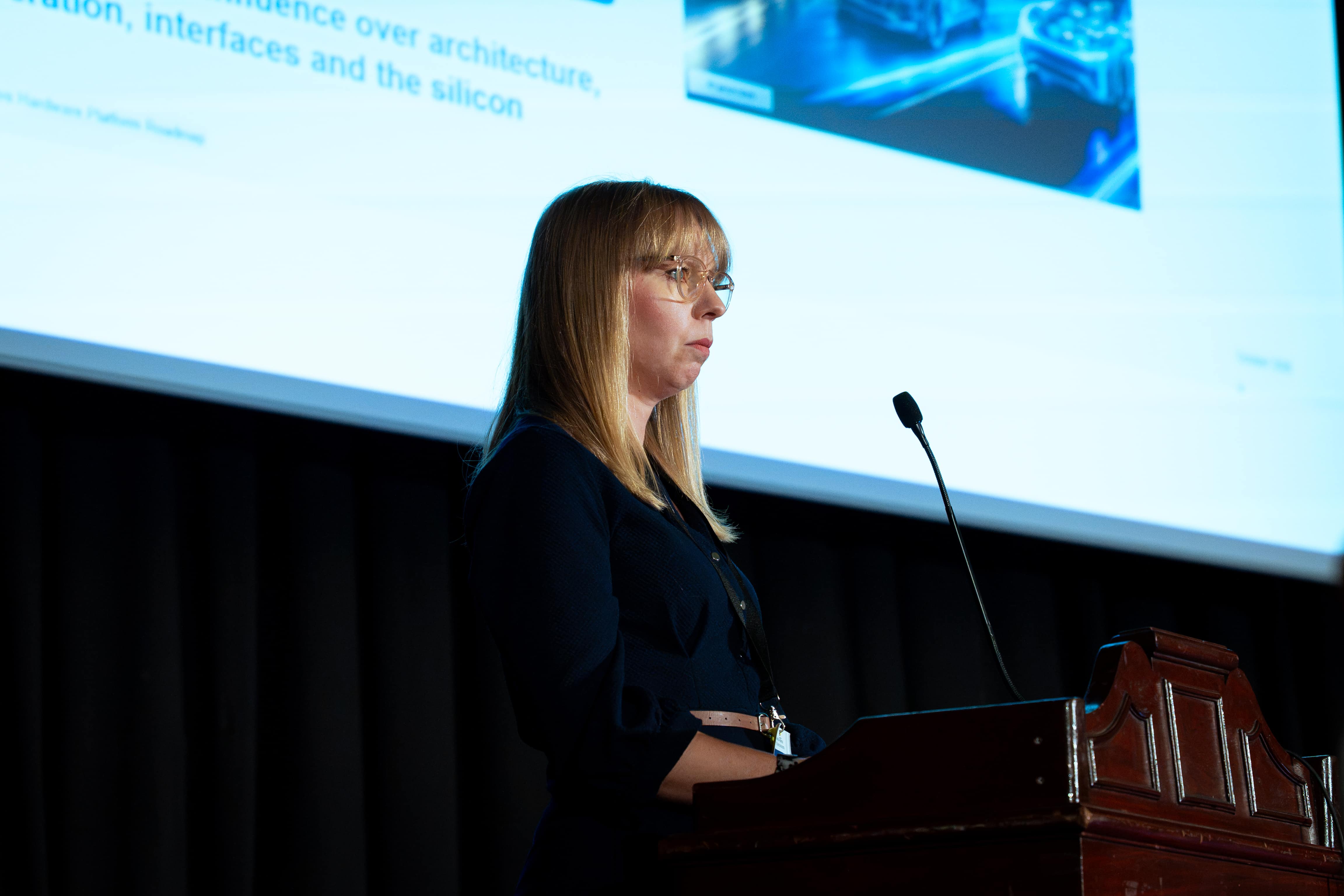
- Automotive: Sophie Cordeiro (Bosch) presented the newly published Automotive Hardware Platform Roadmap with ECAVA, aiming at a scalable European compute capability from 2031 to 2037.
In his closing remarks, Pierre Chastanet welcomed the Alliance’s growing maturity, both in participation and in contributions, and its role in implementing the Chips Act 2.0, including a demand forum and demand accelerators. He cited the Automotive Working Group as a model for future joint working groups, and said the Commission is committed to disseminating the Working Groups’ results. Looking ahead, the Alliance will help turn the semiconductor landscape into a connected “value web” and support policy discussion in a very fragmented and diverse community.
We thank all speakers, chairs, co-chairs, partners and participants for making these two days so productive. Technology sovereignty is built through coordination as much as through investment.
Learn more about the Industrial Alliance